Electronics project monitoring
Hardware DevOps, autonomous

Your electronics projects
have a brain now.

WireGuard is an AI agent that watches your builds, detects anomalies in sensor data and firmware, and keeps your documentation up to date — so you can focus on the hardware.

24/7 Autonomous monitoring
100% Documentation coverage
MSP430 to STM32, ESP32, Pico
Software has had CI/CD, automated testing, and observability for decades. Hardware has had README files and hope.

WireGuard changes that. We built the AI agent we wished existed when debugging embedded systems at 2am — one that actually understands your schematic, your build logs, and your sensor data. Not a chatbot. An employee.

What WireGuard does

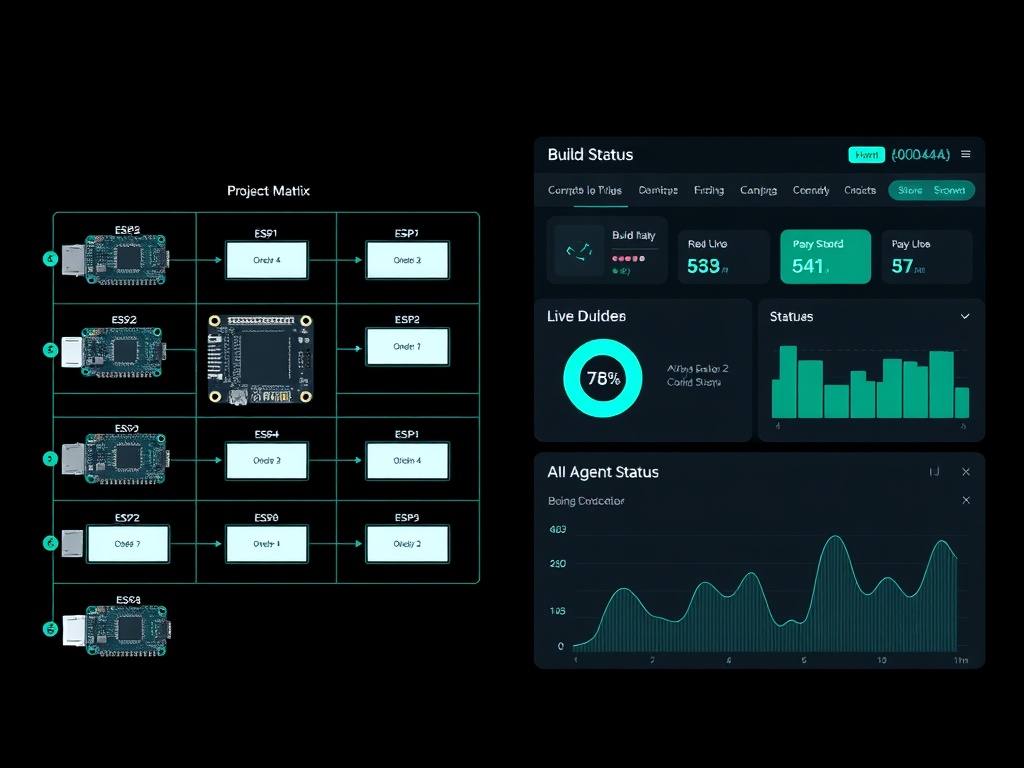
Build monitoring dashboard

Autonomous Build Monitoring

Watches your GitHub repos and build logs for ESP32, STM32, Arduino, and Raspberry Pi Pico projects. Alerts you when something breaks — or fixes it automatically if the fix is obvious.

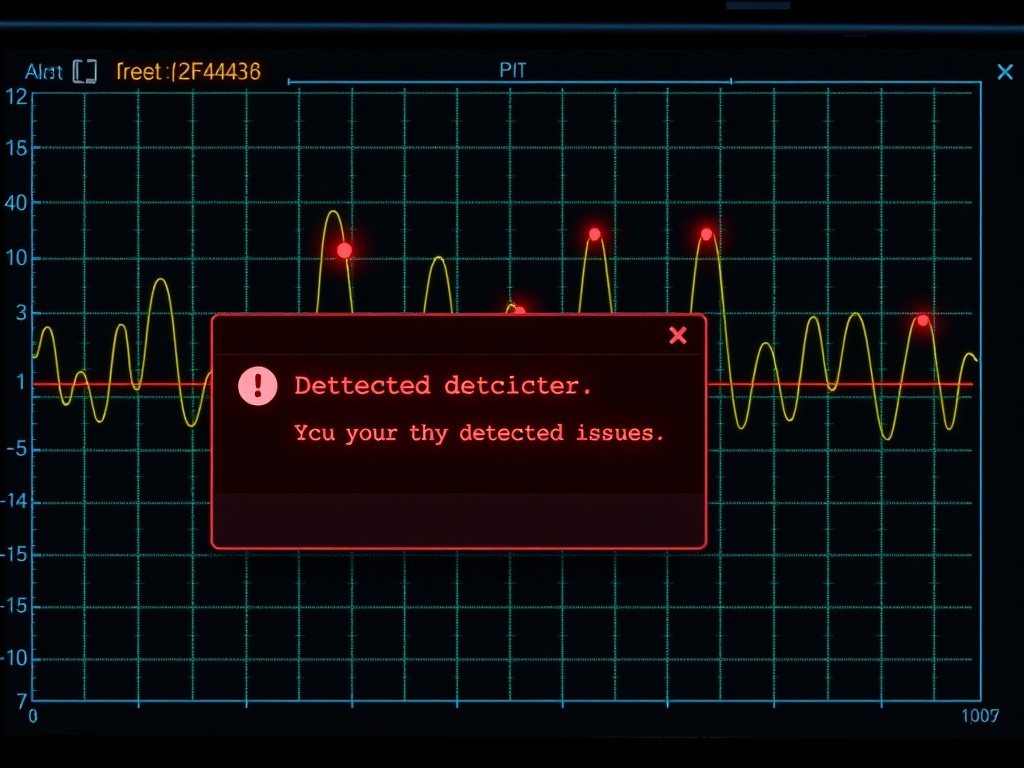
Anomaly detection oscilloscope

Anomaly Detection

Connects to your serial output and sensor streams. Learns your project's normal behavior. Flags deviations before they become hardware failures — whether it's a drifting ADC reading or a watchdog timeout pattern.

Documentation That Keeps Itself

Every commit, schematic update, and sensor swap gets documented automatically. Your README stays current. Your pinout table matches reality. WireGuard writes the boring stuff so you don't have to.

GitHub sync Changelog automation Schematic versioning

Firmware Lifecycle Intelligence

Tracks which version runs on which device, alerts on known CVEs in your dependencies, and suggests updates when sensor drivers or board support packages have new releases.

Hardware Context Awareness

Understands your board's peripherals, interrupt vectors, and power budget. Not a generic code reviewer — it speaks ESP-IDF, Zephyr RTOS, and bare-metal C as fluently as your IDE.

Getting started takes minutes

01

Connect your repo

Link your GitHub account and select your electronics project — Arduino, PlatformIO, or a custom Makefile setup.

02

Define your hardware

Tell WireGuard your board (ESP32, STM32, etc.), sensors, and serial port. The agent learns your project's topology.

03

Let it run

WireGuard monitors builds, tracks anomalies, and maintains documentation. You get daily summaries and instant alerts.

The future of hardware is monitored, documented, and autonomous.

Every great product started as a messy bench setup with a blinking LED and a prayer. WireGuard removes the prayer. Build with confidence — your AI colleague is watching.